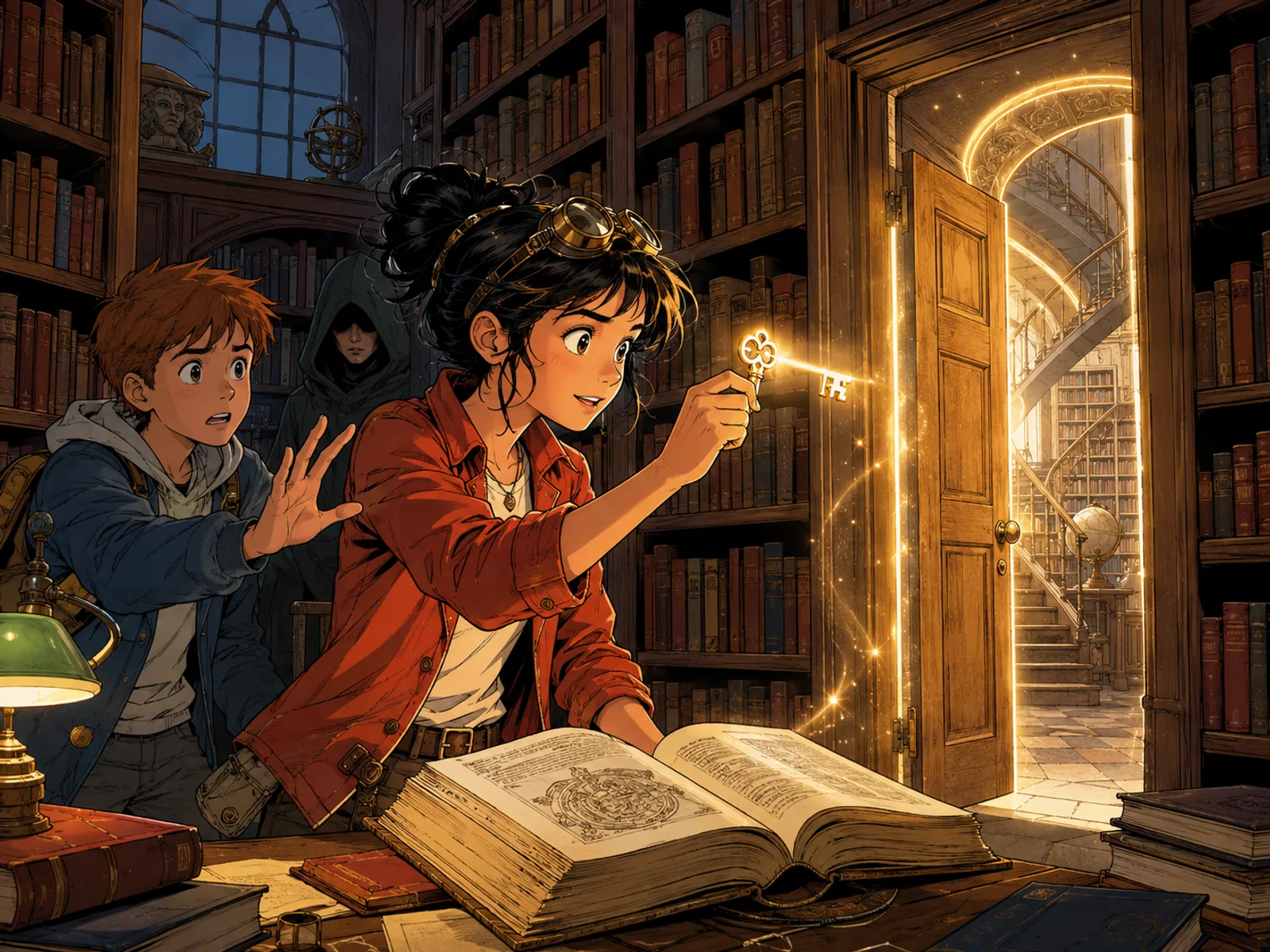
Classic Franco-Belgian
Clear line art, readable storytelling, expressive characters, polished backgrounds and balanced colors.
- Best for
- adventure, humor, family, education
Style guide
The graphic style sets the visual direction of the project. It influences the art guide, character references, page briefs and cover brief.
Visual decision
Compare visual families before creating your project. The illustrations show the same scene interpreted in each style.
Comparison
Clear line art, readable storytelling, expressive characters, polished backgrounds and balanced colors.
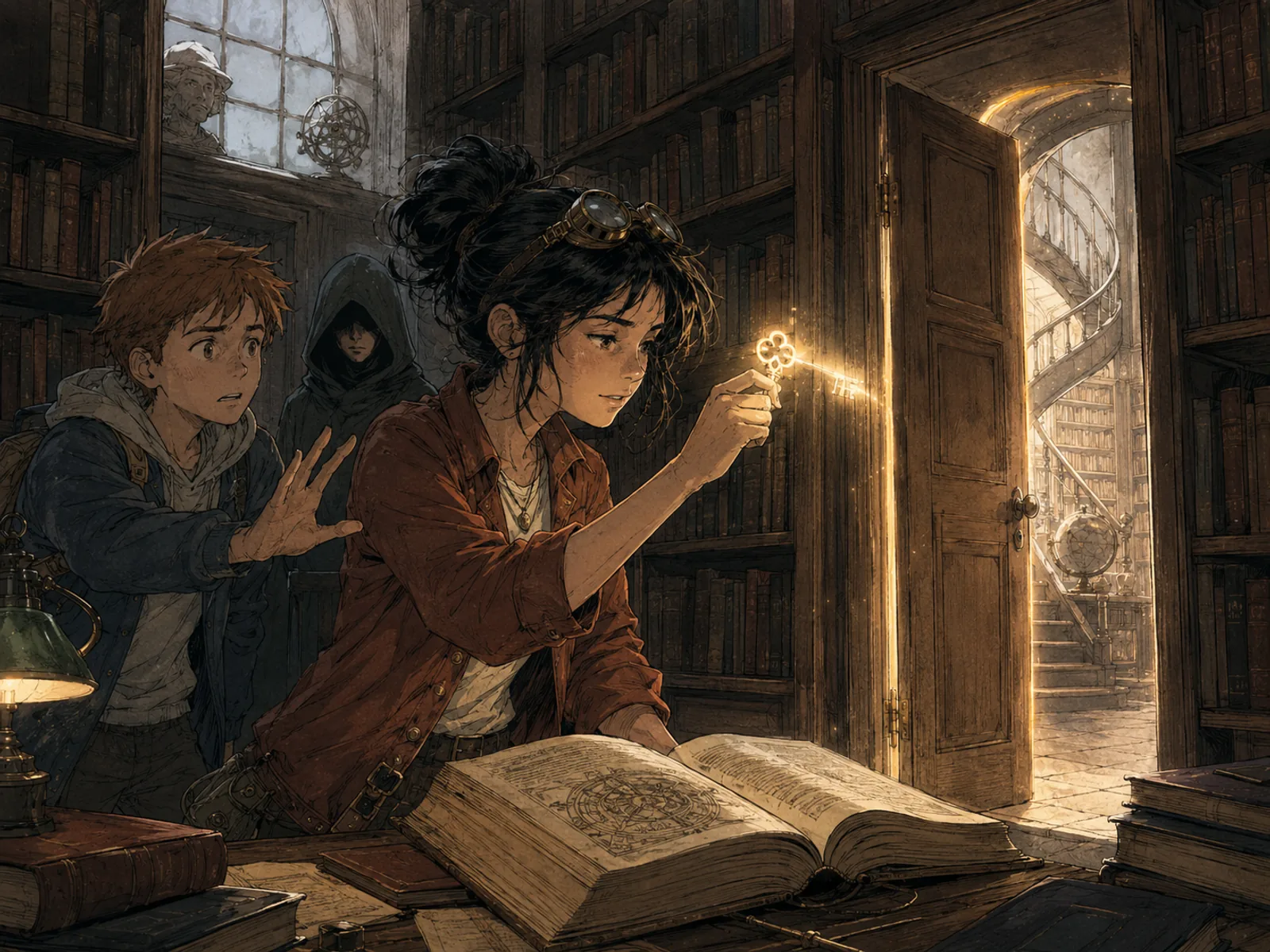
Mature, sensitive style with restrained framing, nuanced colors and emotional depth.
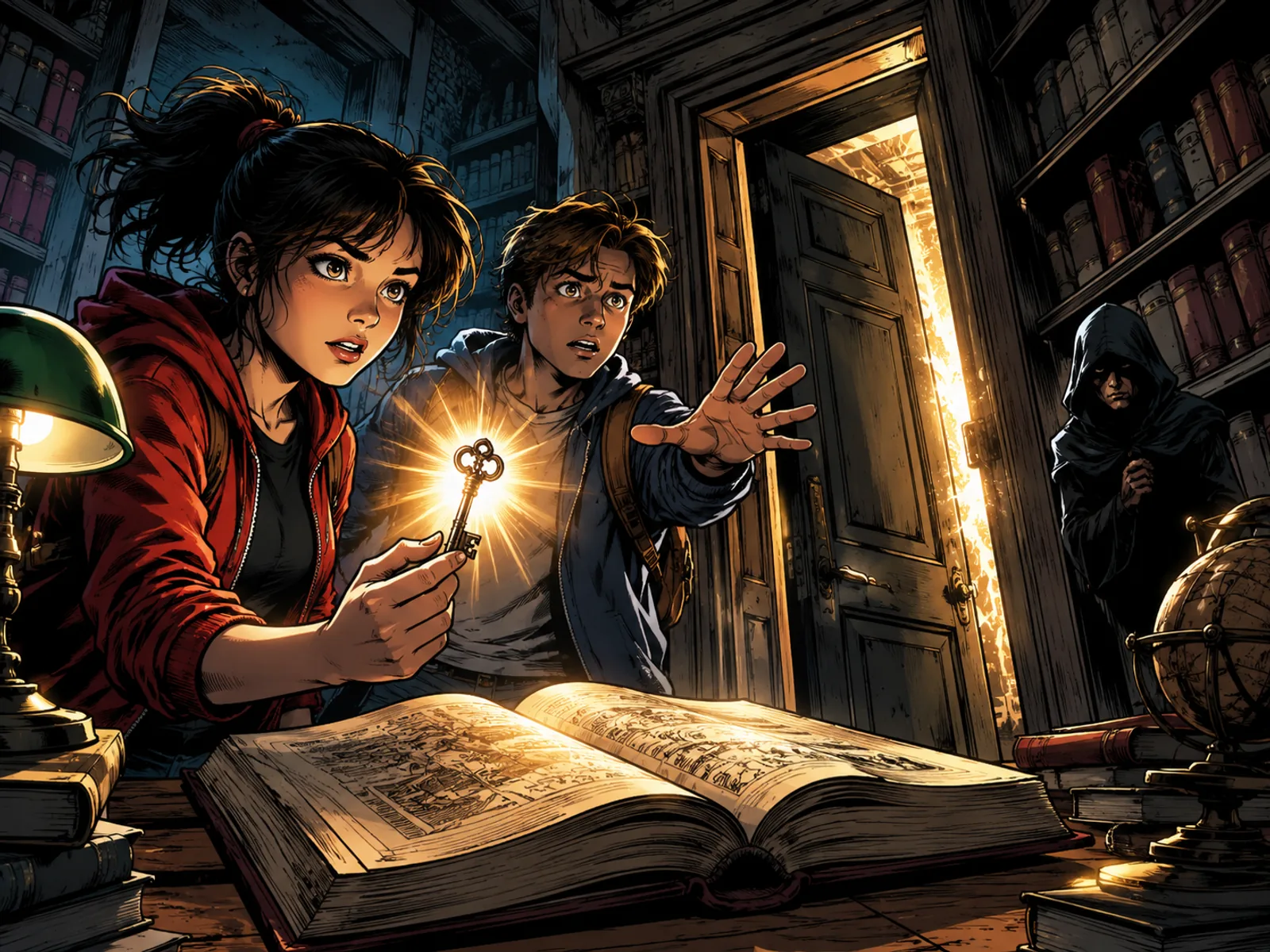
Bold ink, dynamic poses, strong contrast and dramatic comic composition.
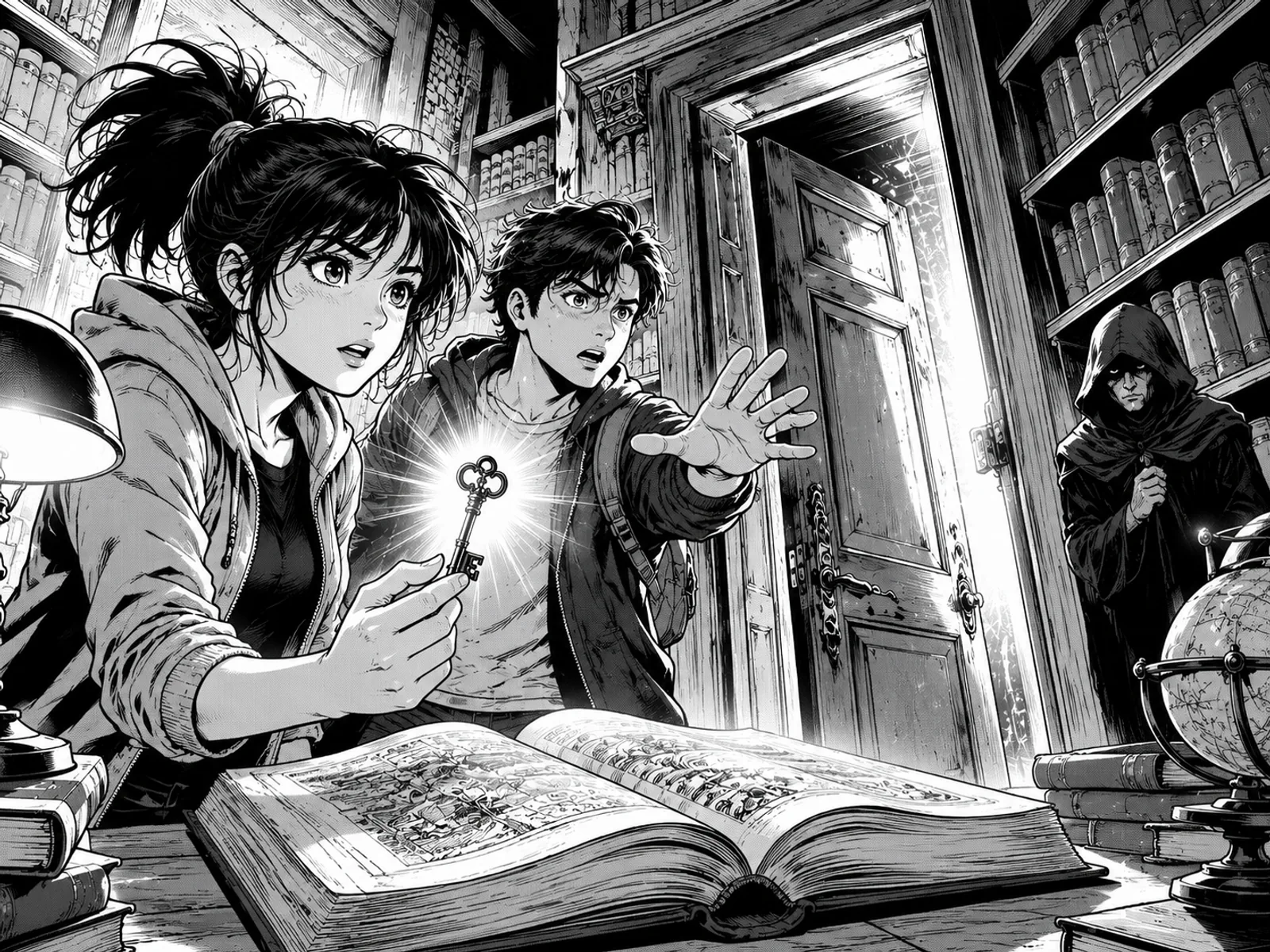
Screentones, graphic contrast, rhythmic paneling and intense emotional expression.
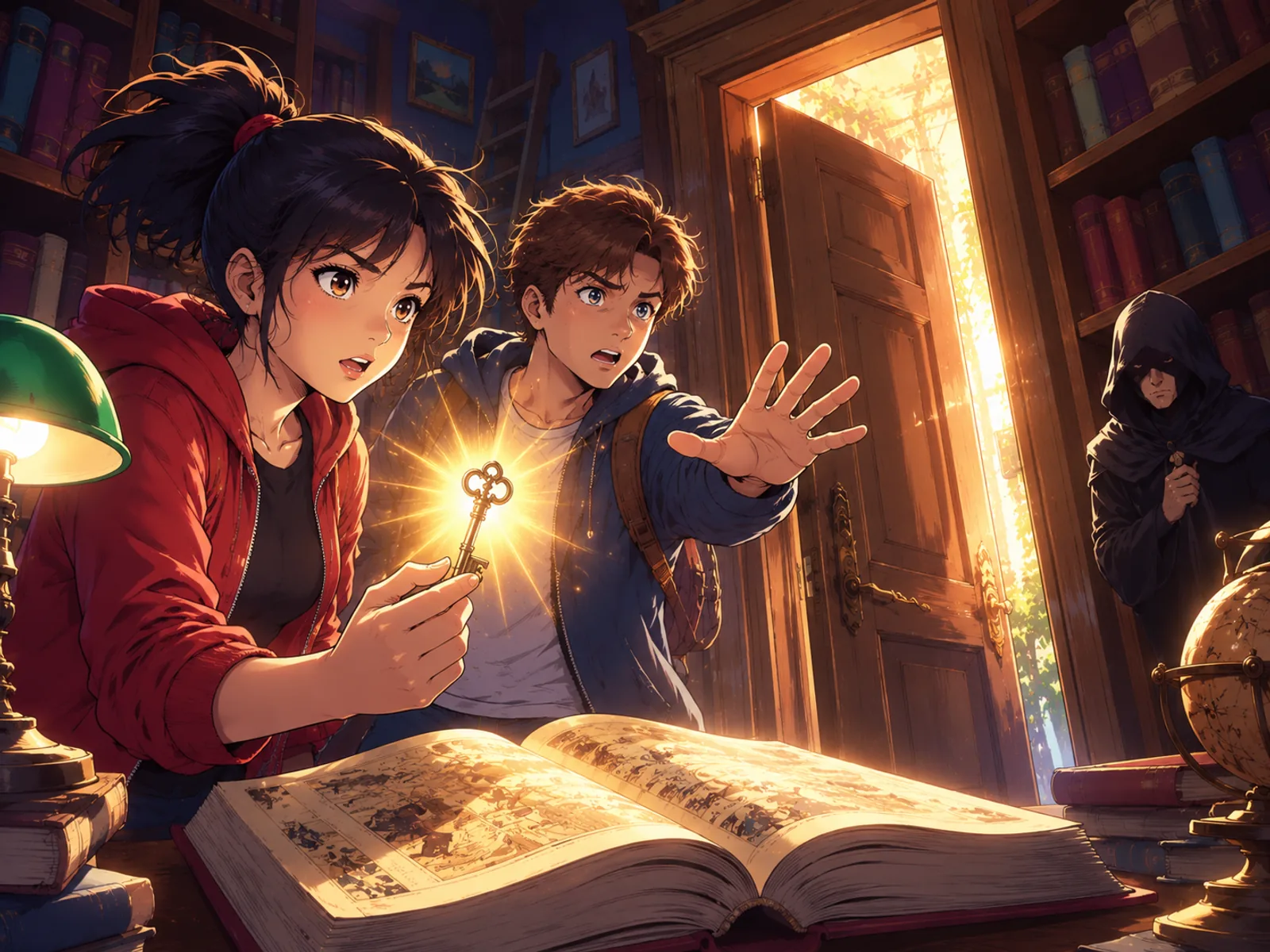
Expressive characters, clean colors, soft lighting and a polished modern anime feel.
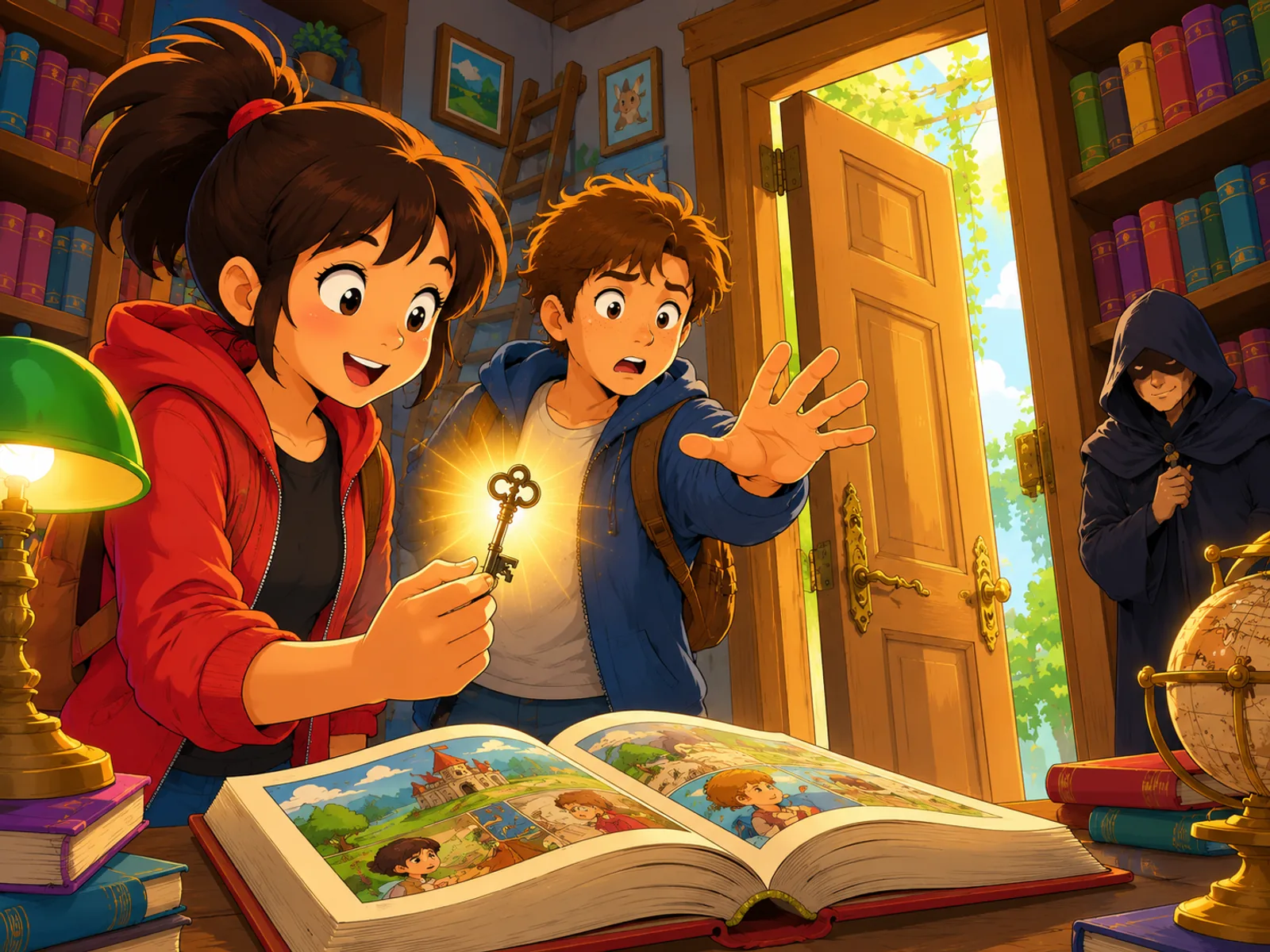
Rounded shapes, clear expressions, warm colors and family-friendly readability.
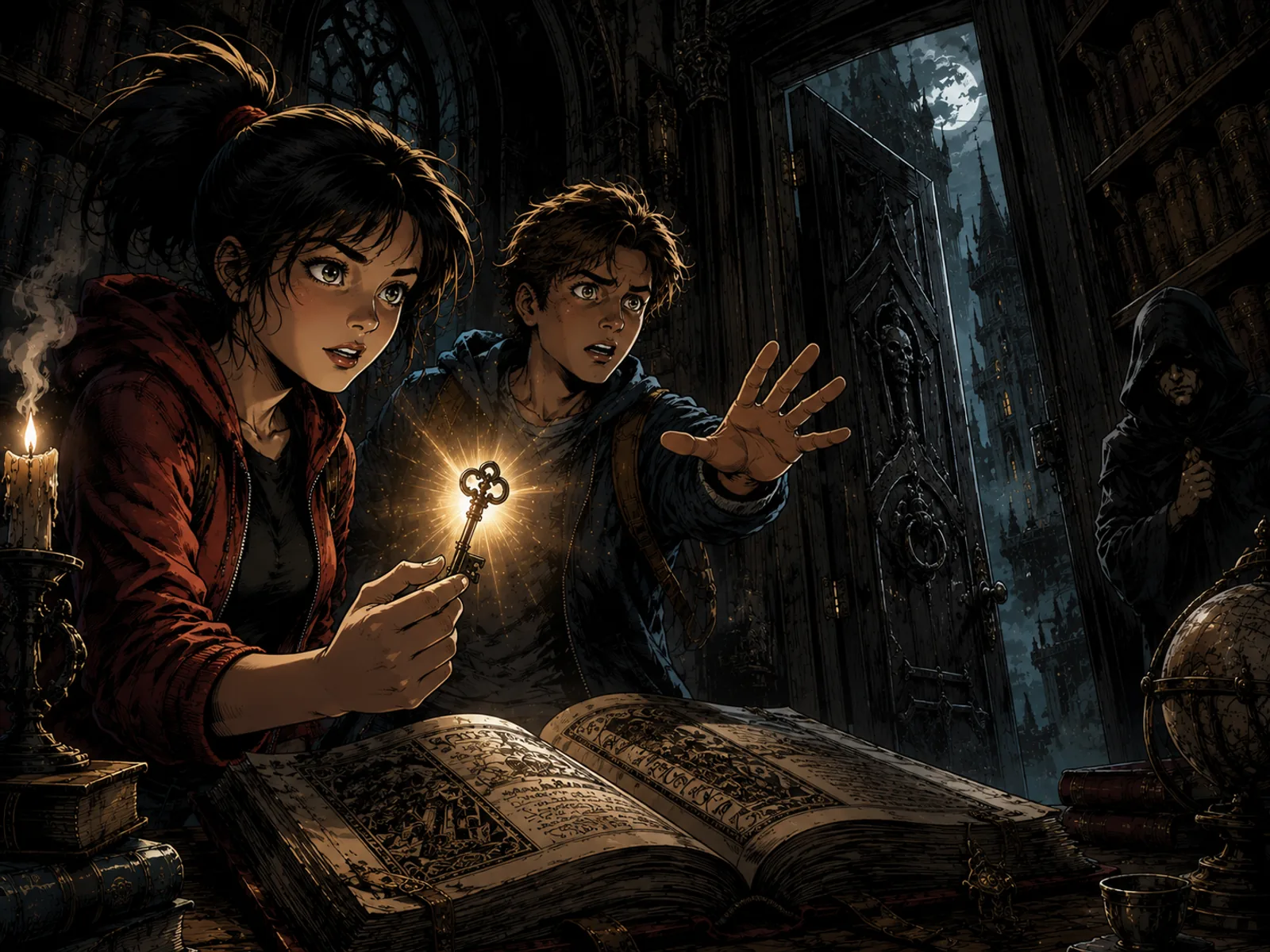
Deep shadows, rich textures, gothic architecture and elegant dark fantasy atmosphere.
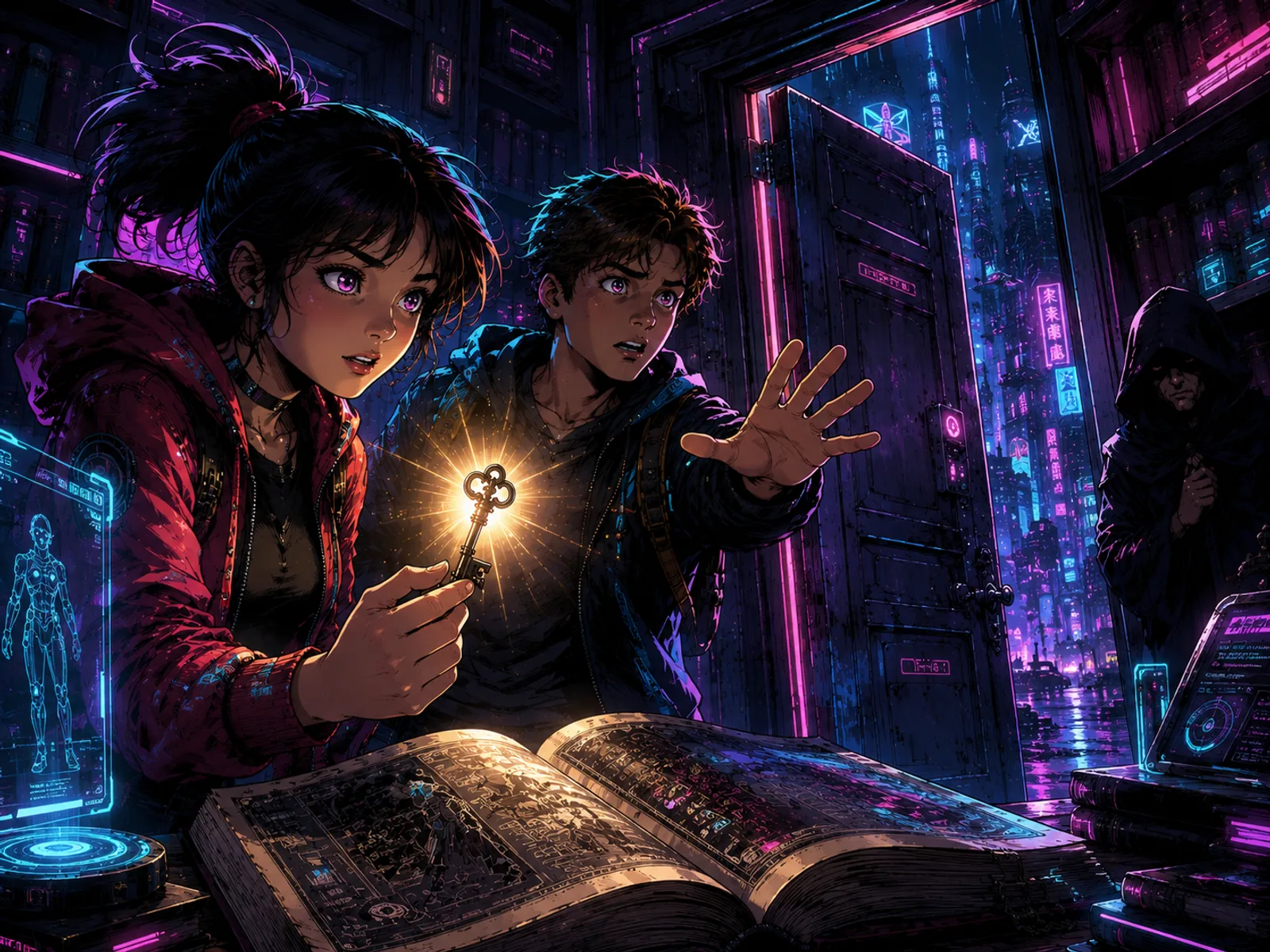
Dense night city, controlled neon, subtle interfaces and technological tension.
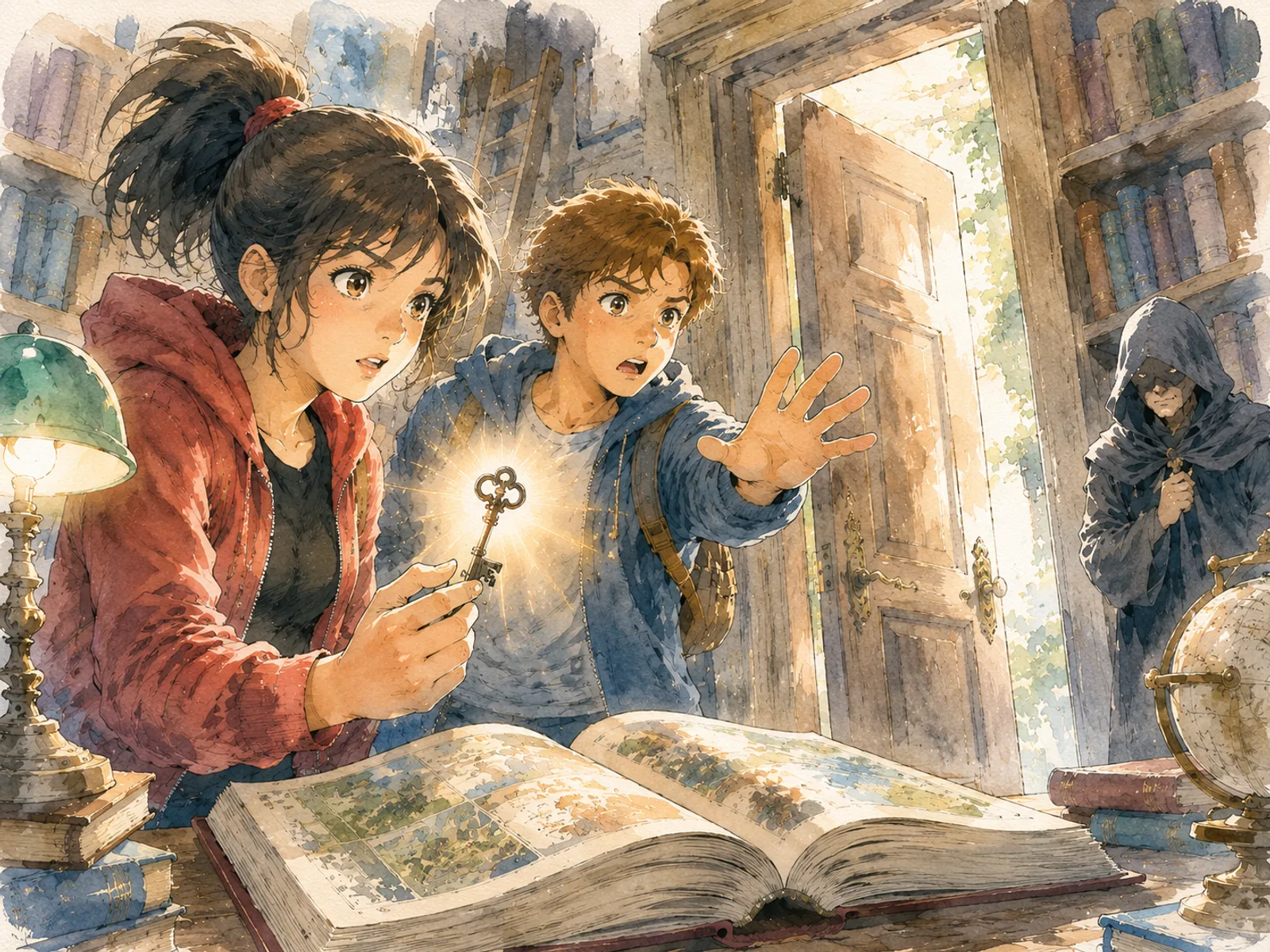
Paper texture, soft colors, delicate linework and contemplative atmosphere.
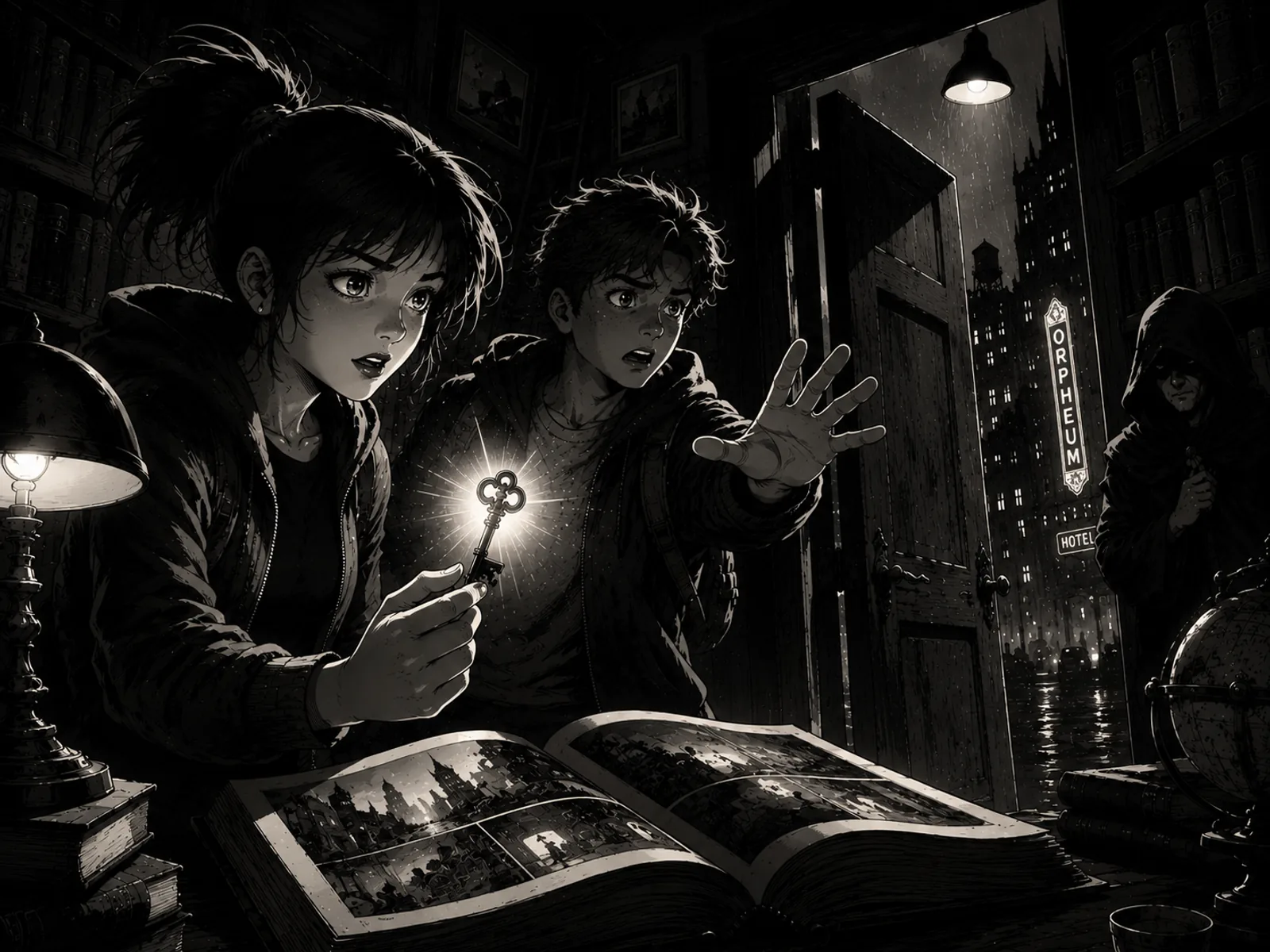
Hard shadows, dramatic framing, limited palette and urban suspense.
Guidance
Readability, warmth and direct expressions.
Strong framing, motion and visual impact.
Emotion, nuance and more contemplative staging.
Mystery, deep contrast and immersive worlds.
Personalization
A strong visual brief is more than a style name. It defines palette, linework, texture, location, lighting and the emotion each page should carry.
Graphic family + palette + texture + setting + light + emotion + detail level.
Define the overall temperature and contrast.
ExampleWarm autumn palette, deep reds, soft gold, midnight-blue shadows.
Describe the line that gives the drawing its identity.
ExampleExpressive linework, clean outlines, light hatching in shadow areas.
Add a physical feeling to the image.
ExampleVisible paper texture, slightly uneven colors, travel sketchbook feeling.
Anchor the style in a recognizable world.
ExampleSmall European harbor town, narrow alleys, weathered facades, windy sky.
Lighting instantly sets the reading tone.
ExampleSoft chiaroscuro, warm desk lamp, doorway bathed in supernatural light.
Say what the characters should make readers feel.
ExampleSurprised but brave faces, worried friend, discreet threat in the background.
Give a staging intention.
ExampleClear composition, foreground on the key, glowing door in the background.
Match visual complexity to the target reader.
ExampleAll ages, rich but readable backgrounds, immediately clear expressions.
Avoid long or contradictory lists. Three to six strong visual intentions usually work better than a stack of references.
Style FAQ
Start with the graphic family that matches the audience and tone, then refine it with palette, linework, texture, setting, lighting and the dominant emotion.
Yes. You can start from automatic mode or a predefined style, then describe your visual intentions in the project concept with precise style keywords.
The most useful keywords describe color palette, linework, texture, setting geography, light, atmosphere and character emotion.
Yes. The selected style guides art direction, character references, page briefs, image intentions and elements to avoid.
Automatic mode lets the engine choose the visual direction that best fits the concept, narrative genre, tone and target audience.
Bandeo Studio keeps room to adapt palette, lighting, characters and staging to your story while respecting the selected graphic family.